
How to Anonymize People in CCTV Videos with Full-Body Blurring
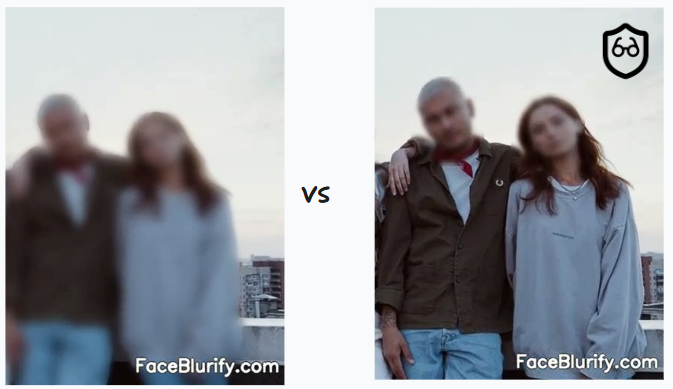
CCTV footage often includes distant subjects, side angles, and partial occlusion. In these cases, face-only blur may be insufficient because identity can still leak through body shape, clothing, and movement.
Full-body anonymization is designed for this exact scenario.
Use full-body tool: /en/tools/blur-fullbody-videos/
Face blur vs full-body anonymization
Face blur works well when faces are consistently visible. For CCTV-style footage with distance, occlusion, and side angles, full-body anonymization is typically the safer choice.
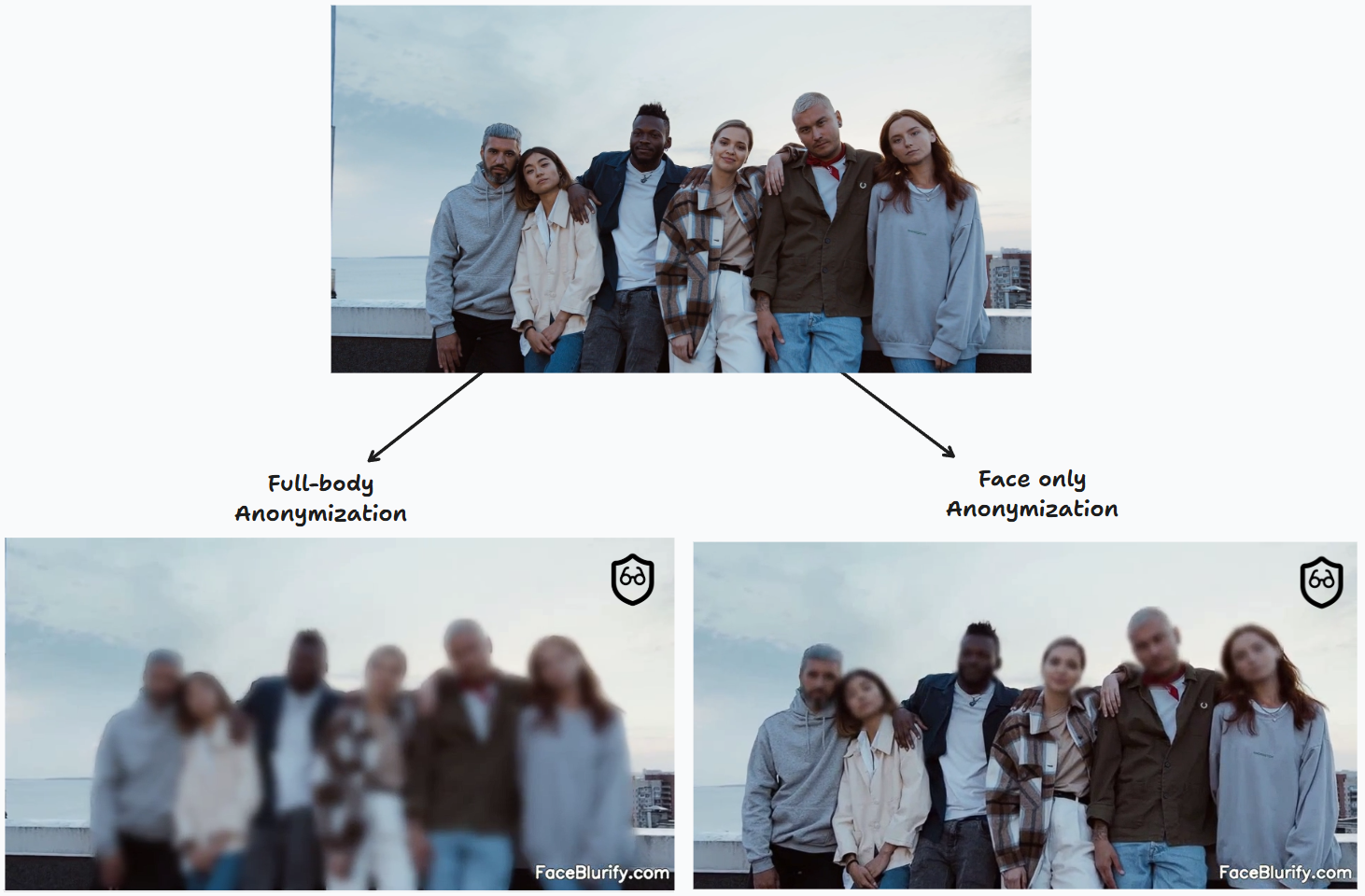
When full-body mode is the right choice
- Wide camera angles.
- Low face visibility.
- Public surveillance and crowd movement.
- Strict privacy requirements for public release.
Full-body workflow in practice
- Upload CCTV clip.
- Select effect and privacy strength.
- Process a short sample segment first.
- Review moving scenes and occlusion zones.
- Run the full export once quality is validated.
Operational tips
- Test short sections before full run.
- Use stronger effects for high-density areas.
- Keep an audit checklist for publish decisions.
Combine with zones when needed
You may also need manual zones for screens, badges, or license plates captured in the same footage.
Publish checklist (CCTV)
- Review entrances and exits where people appear briefly.
- Check reflections (windows, mirrors) and background screens.
- Confirm the effect is still strong after export and platform compression.
- Decide audio policy (keep, mute, or edit spoken identifiers).
Related guides
- Face blur vs full-body anonymization
- Video anonymization best practices
- License plate redaction workflow
- Keep original audio when blurring video
FAQ
Is full-body mode slower than face-only mode?
It can be, depending on scene complexity and clip length.
Can I keep audio while using full-body anonymization?
Yes, audio preservation is supported in video workflow settings.
Should I still review frame-by-frame?
Yes. Review is important for crossings, occlusions, and camera motion.